
Report preview: Mobilizing Partnerships to Shape Disaster & Climate Resilience in Asia-Pacific
August 13, 2025 /General
Asia-Pacific is facing intensifying climate risks, from rising sea levels to extreme weather events. The region is home to six of the world’s ten countries most affected by climate-related impacts [1] and is currently warming nearly twice as fast as the global average. The rise in extreme weather events and disasters—floods, typhoons, droughts—is already displacing millions and overwhelming ecosystems, infrastructure, and communities. Economies and societies across the Asia-Pacific region are highly vulnerable to current and projected risks of these events, which by 2050 are projected to lead to up to 75 million internal climate migrants across the region [2].
Adapting to climate change will require a rapid, scaled-up, multi-sectoral push via policies, investment, and actions. One cost-effective opportunity is using nature to address challenges in disaster risk reduction and climate change adaptation. This approach can provide protection as well as economic resilience to people and communities on the forefront of climate impacts and hazards [3].
These approaches can reduce the intensity of natural and climate-induced hazards by 26%, and are projected to save developing countries at least US $104 billion in 2030 and US $393 billion in 2050. Implementing nature approaches to protect people could also reduce the number of people in need of international humanitarian assistance due to climate change and weather-related disasters. However, approaches that center nature, climate and disaster risk, are severely underfunded, with adaptation related nature projects receiving only about 0.6-1.4% of total climate finance flows in 2018 [4].
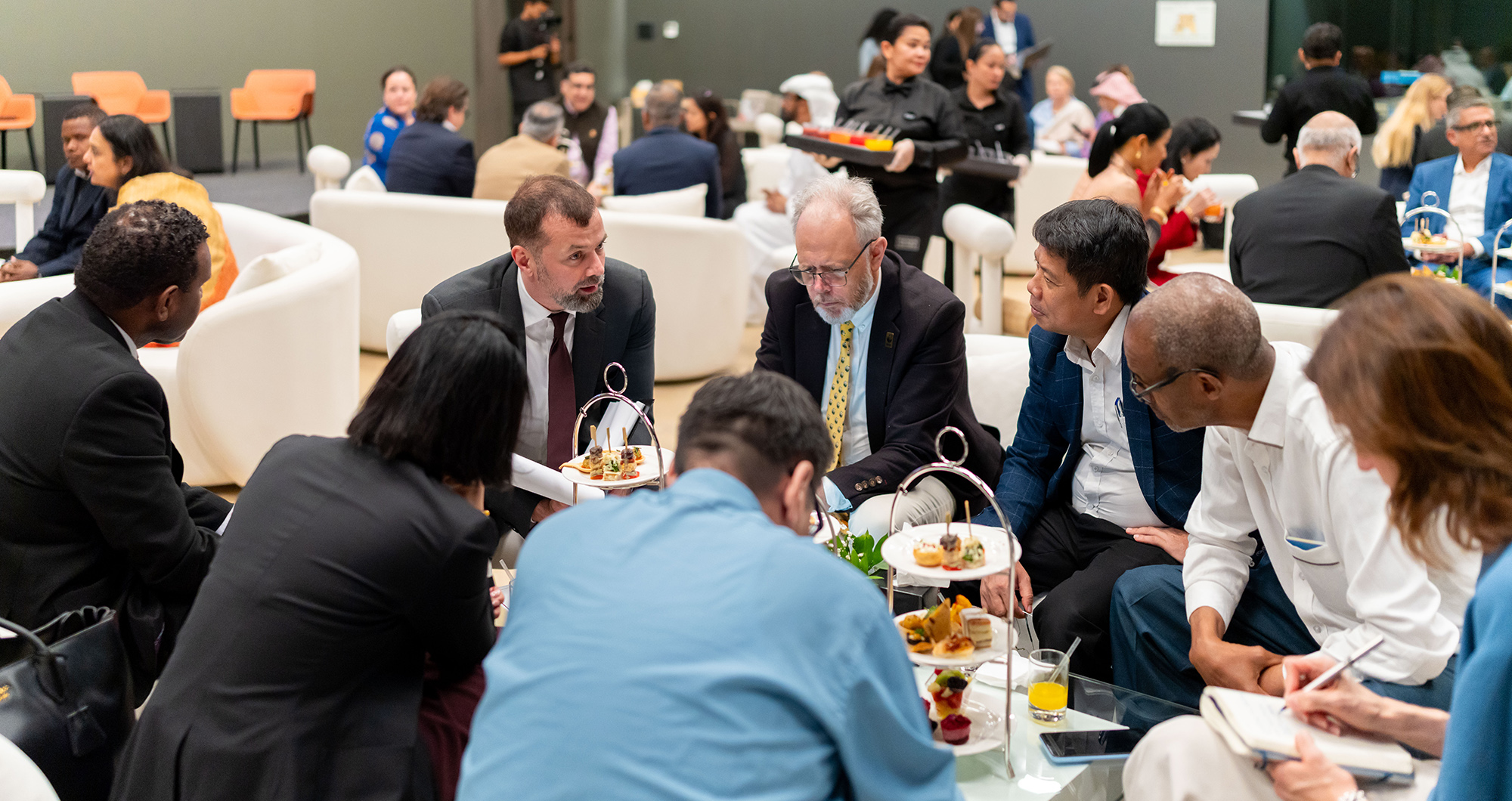
To address these challenges and opportunities, AVPN and WWF brought together 100 philanthropic and conservation leaders active in the Asia-Pacific region for a panel and roundtable hosted on 5th May 2025 in Abu Dhabi. The discussion focused on mobilizing philanthropic funding to strengthen community resilience in Asia-Pacific through Nature-based Solutions (NbS) at the nexus of climate, disasters, nature and people. NbS are actions that address environmental and societal challenges by protecting, sustainably managing, and restoring ecosystems, benefiting both biodiversity and human well-being.
The session also spotlighted the Building Climate Resilient Communities programme, a collaborative initiative combining the expertise of organisations working in disaster resilience and conservation, such as the International Federation of Red Cross and Red Crescent Societies (IFRC) and WWF. The programme leverages nature to strengthen the resilience of vulnerable communities in the Asia-Pacific to climate change impacts and disasters, by enhancing food and water security, biodiversity and ecosystem services, and economic livelihoods.
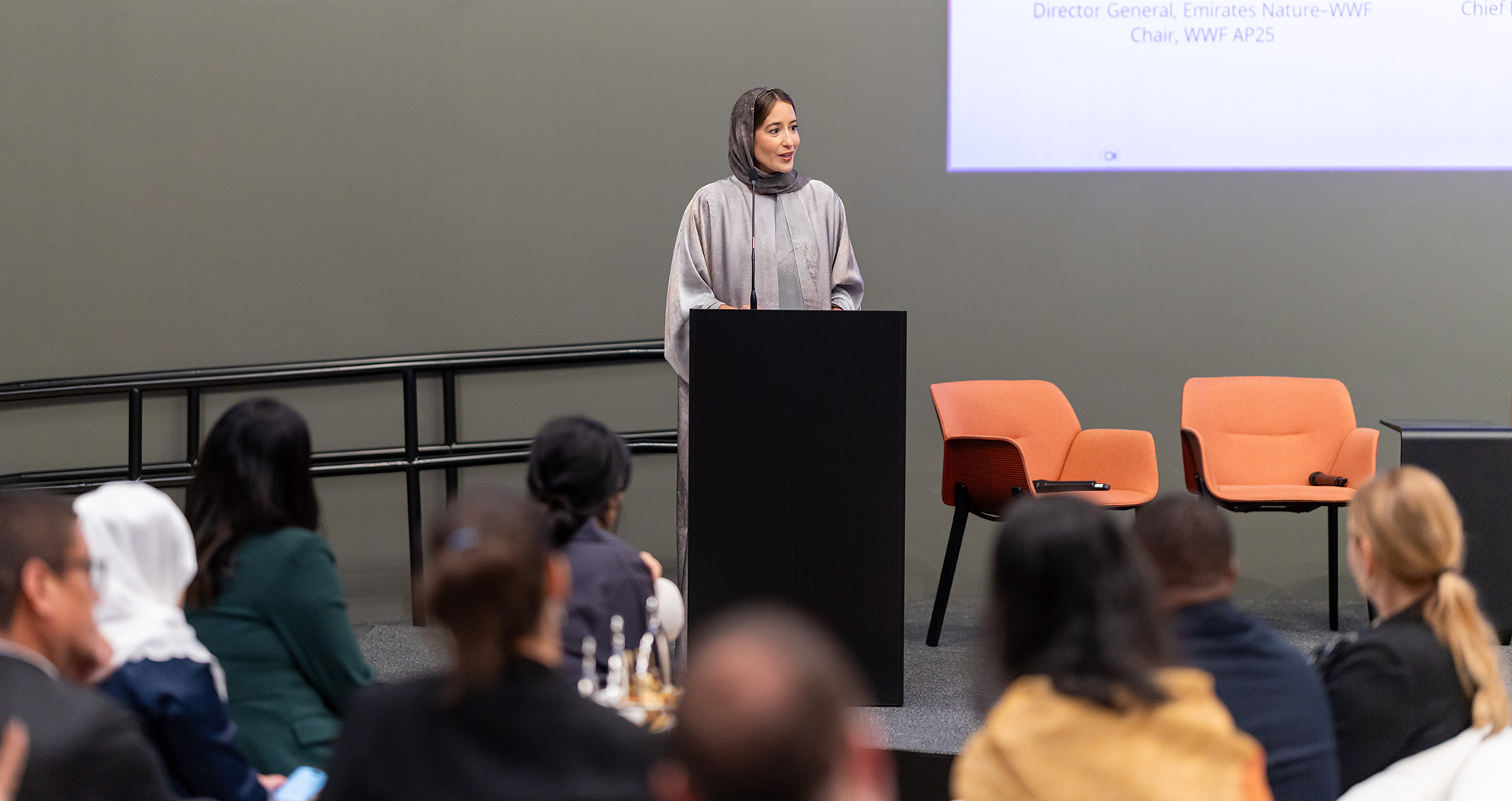
Opening the session, Laila Mostafa Abdullatif, Director General of Emirates Nature-WWF and former Chair of WWF AP30, urged a shift in thinking:
“Addressing the challenges linked to climate change, biodiversity and habitat loss and increasing disaster risk demands integrated, proactive action that protects ecosystems and places local communities at the heart of resilience-building.”
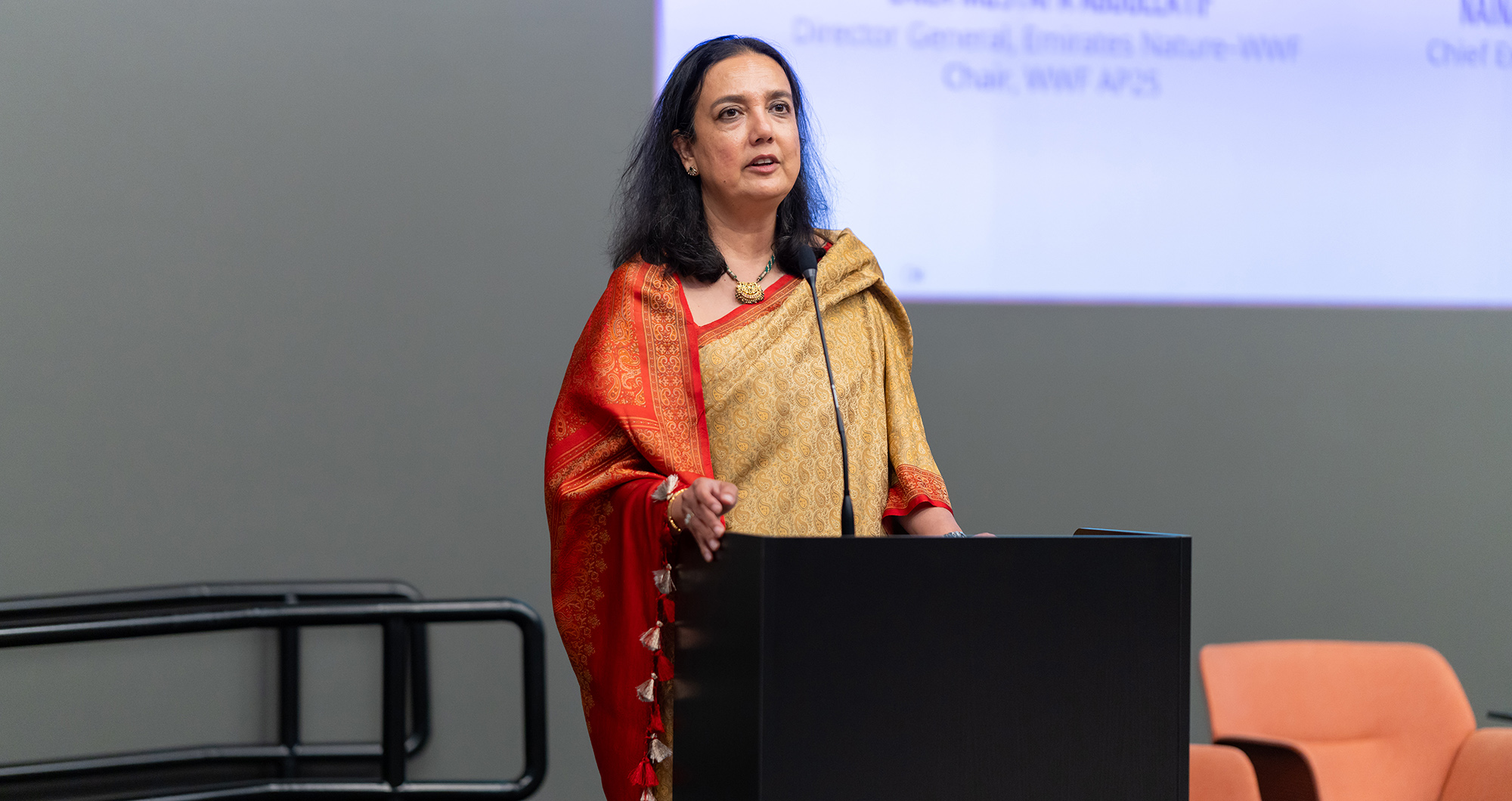
Naina Subberwal Batra, CEO of AVPN emphasized the evolution of philanthropy to accelerate change where it is needed most and unlock the full potential of nature, communities and innovation: “We need to move from funding one-off projects to investing in scalable, systemic solutions. Strategic philanthropy is not about short-term outputs—it is about unlocking long-term impact through cross-sectoral collaboration and community empowerment.”
Overall, they stressed that by fostering collaboration across sectors and empowering local leadership in the Global South, the full potential of nature, communities, and innovation can be unlocked to build climate and disaster resilience across Asia-Pacific. In this context, strategic philanthropy plays a key role, not just by supporting change, but by working collaboratively across disciplines to accelerate financial flows where it is needed most.
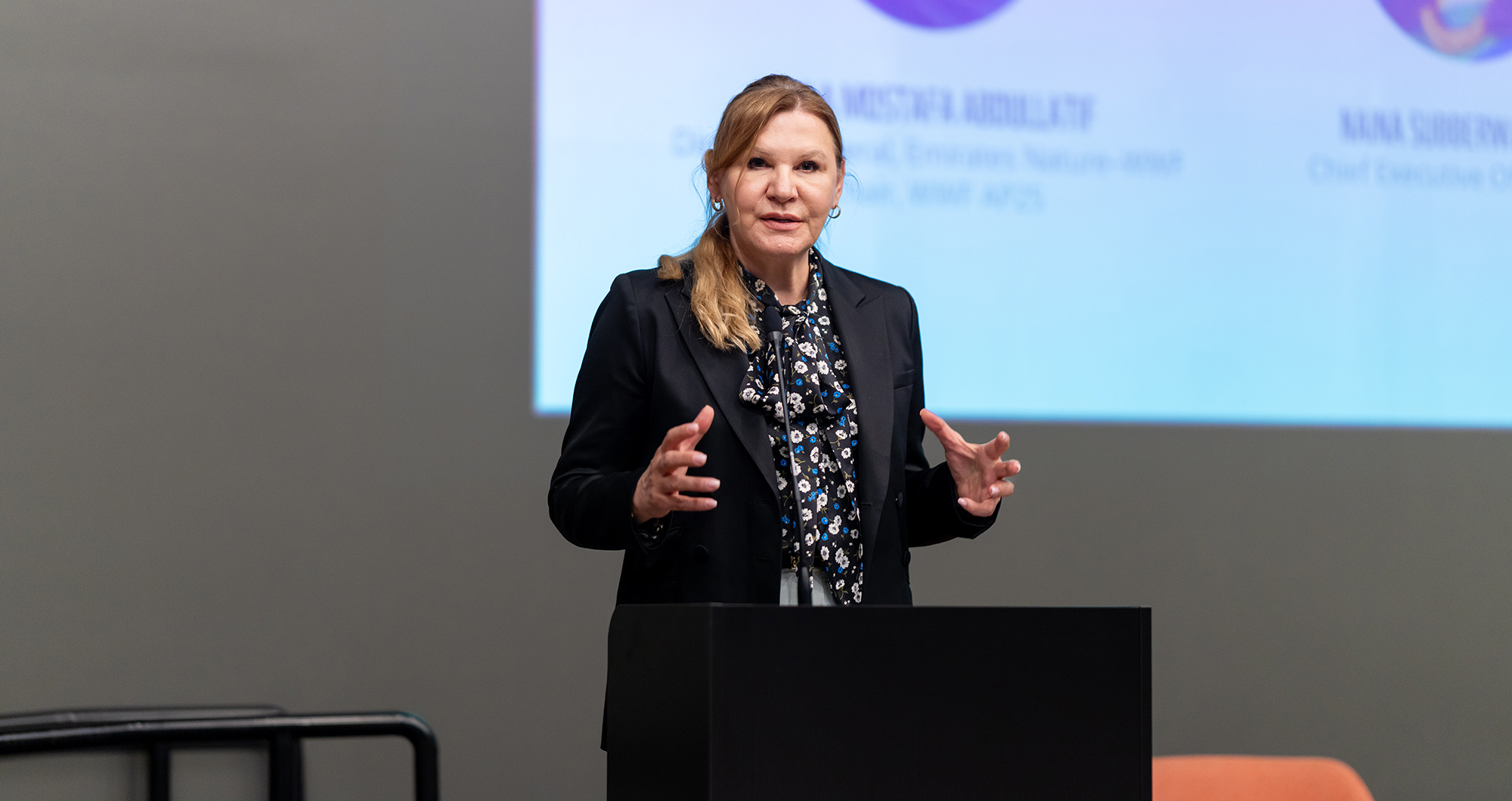
IFRC Under Secretary General for Humanitarian Diplomacy and Communications, Strategic Partnerships and Resource Mobilization, Nena Stoiljkovic underscored the benefits of humanitarian and conservation organizations joining forces to use the power of nature to reduce risk, protect lives, and support communities to build resilience in a changing climate. By combining organizational expertise and collaborating profoundly, they can deliver more impactful combined resilience efforts against disasters and climate change impacts, and address multiple areas of risk to communities.
A diverse panel of experts shared practical examples of NbS in addressing climate change and disaster resilience in the Asia-Pacific region, highlighting the importance of understanding local climate risks through scientific assessment and traditional knowledge, the need to quantify ecosystem services' economic value, and the potential of NbS to reduce disaster impacts.
Sandeep Chamling Rai, Global Advisor - Climate Change Adaptation of WWF, shared examples from Colombia, Kenya, and Nepal, where NbS have been integrated with infrastructure and local community planning to enhance resilience. In these cases, NbS created multi-dimensional value for infrastructure development, economic sustainability, and community resilience. Such conservation efforts can change community mindsets and create tangible livelihood benefits, according to Slade Rimirae, Community Coordinator representing WWF-Pacific, who shared community-level experiences from the Solomon Islands, highlighting how the disaster risks and climate challenges faced in the Pacific region continue to pose a threat to the economy, livelihood and community infrastructures.
Panelists also emphasized the importance of transforming how financial institutions view environmental interventions—from abstract concepts to tangible, investable opportunities with clear economic benefits. Kishlaya Misra, Senior Investment Officer, Private Equity of AIIB, highlighted the bank's approach to natural capital valuation, demonstrating how environmental interventions can provide quantifiable economic benefits and the banks’ approach on ‘Nature as Infrastructure'. By providing a systematic approach to valuing natural capital, banks can attract more investments in sustainable infrastructure and NbS, creating a win-win scenario for economic development and environmental preservation.
With huge climate adaptation funding gaps in Asia-Pacific, where funding is 14-20 times less than required, Patrick Yeung, Assistant Director, Climate Action Platform of AVPN, called for collaborative efforts across philanthropic, governmental, and private sectors to support and scale NbS that deliver on the nexus of climate and disaster resilience.

Following the panel, roundtable participants were invited to discuss their on-the-ground examples and experiences in aligning impact objectives across different agendas to drive the nexus between nature, climate, disasters and people, and the role of philanthropies in catalyzing more systemic support. It also spotlighted the role of nature in climate adaptation and sustainable livelihoods, and how nature-based solutions unlock long-term benefits for both people and the planet. Drawing on real-world insights, participants emphasized the urgent need to address key barriers including:
- Funding silos and unsustainable funding models: Disconnected funding streams and sectoral divides (e.g., health, environment, development) hinder coordinated and cross-sector action. Funding, which is often short-term, does not currently match with the longer-term needs required to deliver climate and disaster resilience to people through nature.
- Narrative gaps: Shared understanding and engagement are often limited due to jargon, uncertainty around the concept and benefits of nature, and the lack of compelling or community-led narratives that resonate with donors.
- Lack of advocacy traction: Policy work is often viewed as less attractive or impactful, despite being essential. Without policy integration, government buy-in and hence impacts of NbS, climate adaptation and disaster risk reduction remain isolated and small scale.
- Limited strategic program design and upscaling: Many nature focused approaches remain as small scale pilots and isolated efforts. There is usually a lack of strategic, systems-level change program design by both funders and practitioners, limiting their scalability.
Participants also offered suggestions to overcome these barriers and develop strategies across Asia Pacific, through philanthropic and financial solutions and models that are built in Asia, for Asia and supported by Asian philanthropy.
The findings are currently being synthesized into a strategic report, set to launch at the AVPN Global Conference 2025 in Hong Kong this September. The report charts a new course for nature-focused dialogue on disaster risk and climate adaptation needs in Asia-Pacific and explores the pivotal role of philanthropy in bridging climate, nature, and humanitarian finance, while identifying opportunities to catalyze public–private collaboration to fund and scale NbS, adaptation efforts and disaster risk reduction where they are needed most.
This blog post is a collaborative work between EN-WWF, WWF AP30 and AVPN with contributions from Robin Carney, Nadia Rouchdy, Anne Runde, Fauzia Kaka Shafi, Patrick Yeung.
For further information, please contact:
AVPN: [email protected]
WWF: [email protected]; [email protected]
[1] Kreft, S., D. Eckstein, and I. Melchior. 2016. Global Climate Risk Index 2017: Who Suffers Most from Extreme Weather Events? Weather-Related Loss Events in 2015 and 1996 to 2015. Bonn: Germanwatch.
[2] Clement, V., et al. (2021). Groundswell Part II: Acting on Internal Climate Migration. Washington, DC: The World Bank.
[3] IUCN. (2020). Ensuring effective Nature-based Solutions: The IUCN Global Standard. International Union for Conservation of Nature and Natural Resources, Gland, Switzerland.
[4] IFRC & WWF, et al. (2022). Working with nature to protect people: How nature-based solutions reduce climate change and weather-related disasters. Geneva: International Federation of Red Cross and Red Crescent Societies (IFRC) and World Wide Fund for Nature (WWF).